Plumbing, Researched
Plumbing problems, diagnosed before you pay
There is no hot water, or there is water where it should not be, and the first quote you get will probably be for the biggest version of the job. Before that, it is worth knowing what the location of a leak tells you, why a drain that was cleared with chemicals comes back, and which water heater failures are a two-dollar part and which are a new tank.
Most plumbing advice is written by the company that wants to do the work. That is not a failing of the people who read it, it is a defect in who is talking. We are a referral service: we publish research, we connect homeowners with independent licensed and insured plumbing companies, and we are paid a fixed fee for the introduction whether the job is a washer or a water heater. That is the only reason a site on this subject can afford to tell you when not to buy.
wastes to household leaks
EPA WaterSense
Four things that decide what this costs you
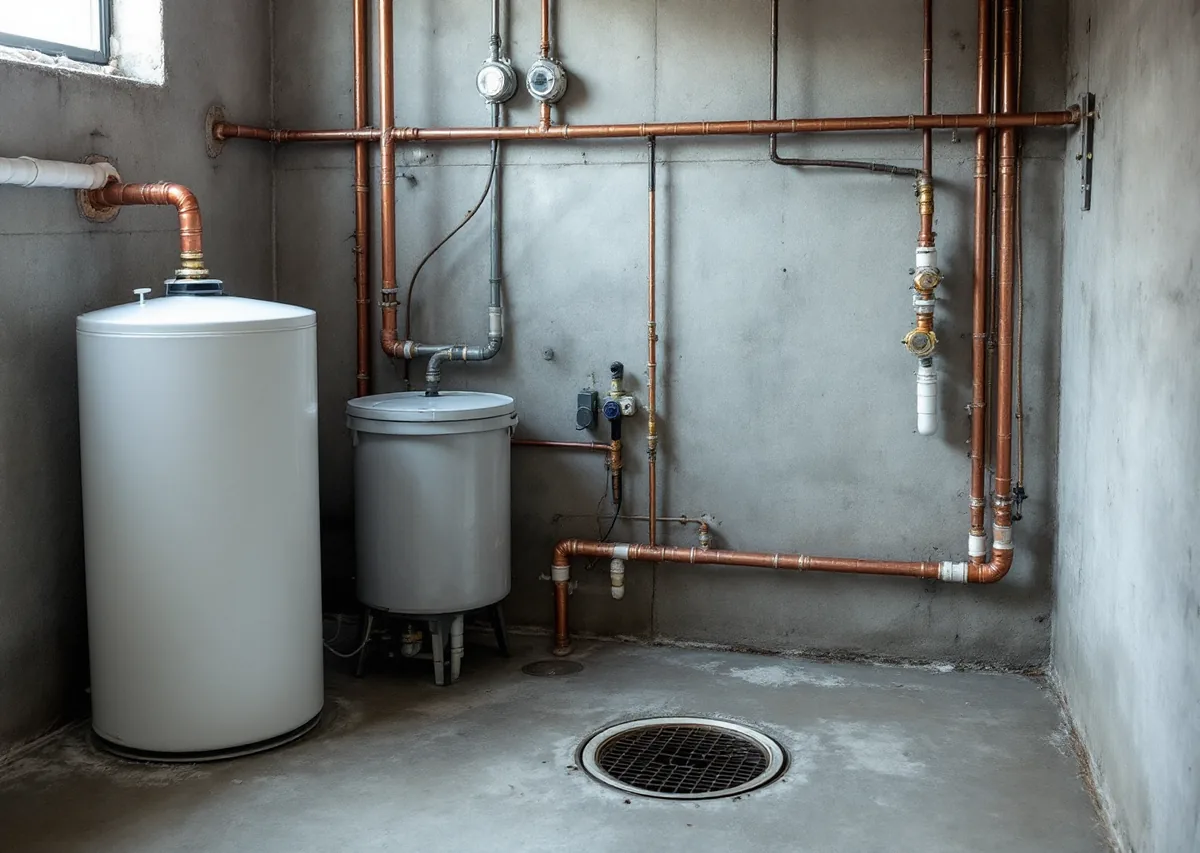
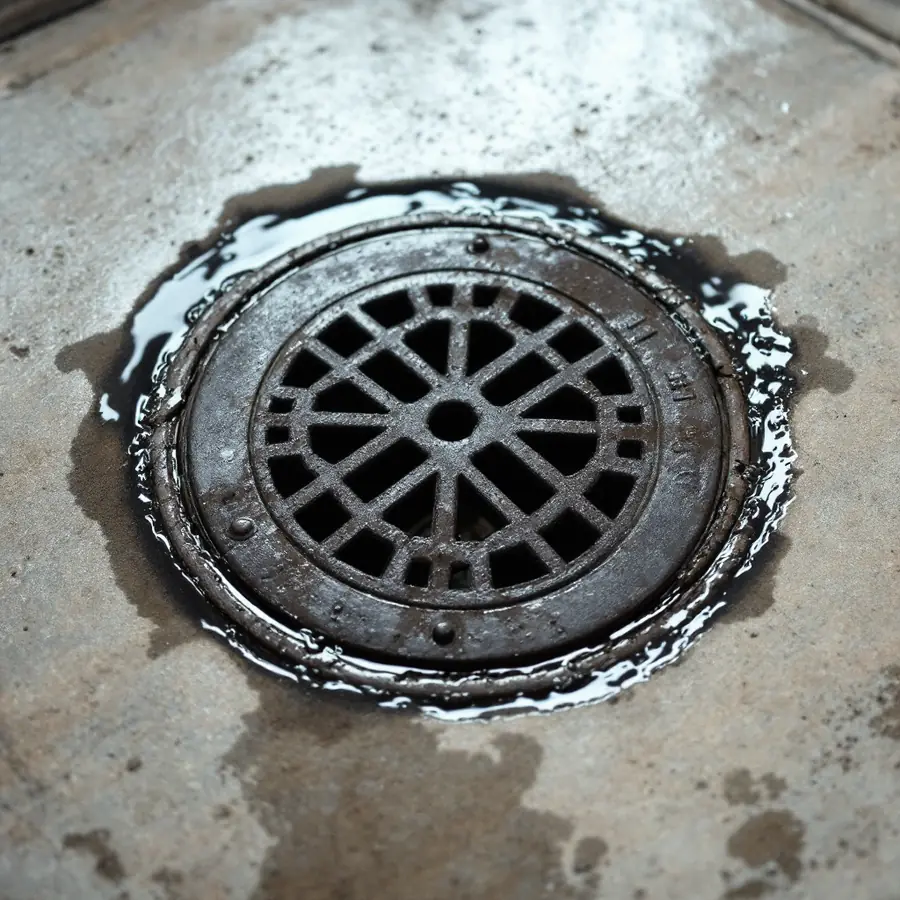
- Where the water is coming from. On a water heater, the top is a fitting, the side is a valve, the overflow pipe is a warning, and the bottom is a new tank. A towel and two minutes settle it before anyone quotes, and it is the question a bad quote skips.
- Whether it is the fixture or the line. One slow drain is that drain. Every drain in the house slow at once is the main line, and a company that snakes the sink when the problem is the sewer has solved nothing you will notice next week.
- Whether anyone looked before pricing. A diagnosis names a place and a part. A price that arrives before either is a guess with a number on it.
- Whether the repair is real or a delay. Sealant on a rusted tank, chemicals down a blocked drain, a new relief valve on an over-pressure system. All of them stop the symptom, none of them stops the problem, and all of them are paid for twice.
Where To Start
Start with the symptom, not with a service
Nobody wakes up wanting a plumber. They wake up cold in the shower, or to a puddle. So the useful entry point is what you can see, and each of these leads to a page built around that one thing.
The water heater is leaking
Top, side, overflow pipe or bottom, four places, four answers, and one of them is not a leak at all. The overflow pipe running is the relief valve doing its job; the bottom weeping from the tank is a replacement, not a repair. A leak locator, the first ten minutes, and the federal burn and mould figures nobody else on the subject quotes.
There is no hot water
Pilot, thermocouple, element, breaker, reset button, or a tank that has quietly filled with sediment. Half of these are a homeowner's five minutes and half are a technician's. A triage tool that separates them, gas and electric taken separately, and the two federal agencies that disagree about the thermostat.
The drain will not clear
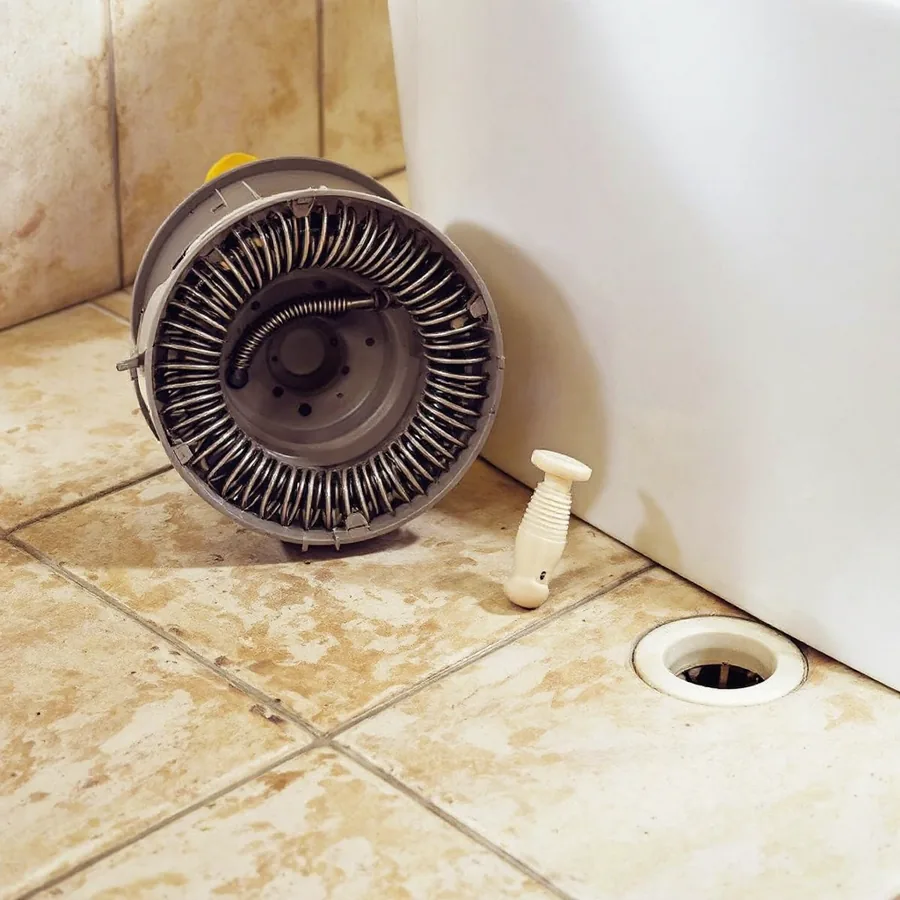
One slow fixture is that fixture. Several at once is the line. Chemicals clear the symptom and corrode the pipe; a cable clears the blockage and tells you what it was. A clog locator, the EPA figure on grease, and the chemistry of why baking soda fizzes for nothing.
Water is coming up, not going down
Sewage in a tub or a floor drain is the main line, and it is the one plumbing problem where waiting a day changes the category of what you are cleaning. Whose pipe it is, what the camera finds, trenchless against trench, and what flood insurance actually says.
A pipe is leaking
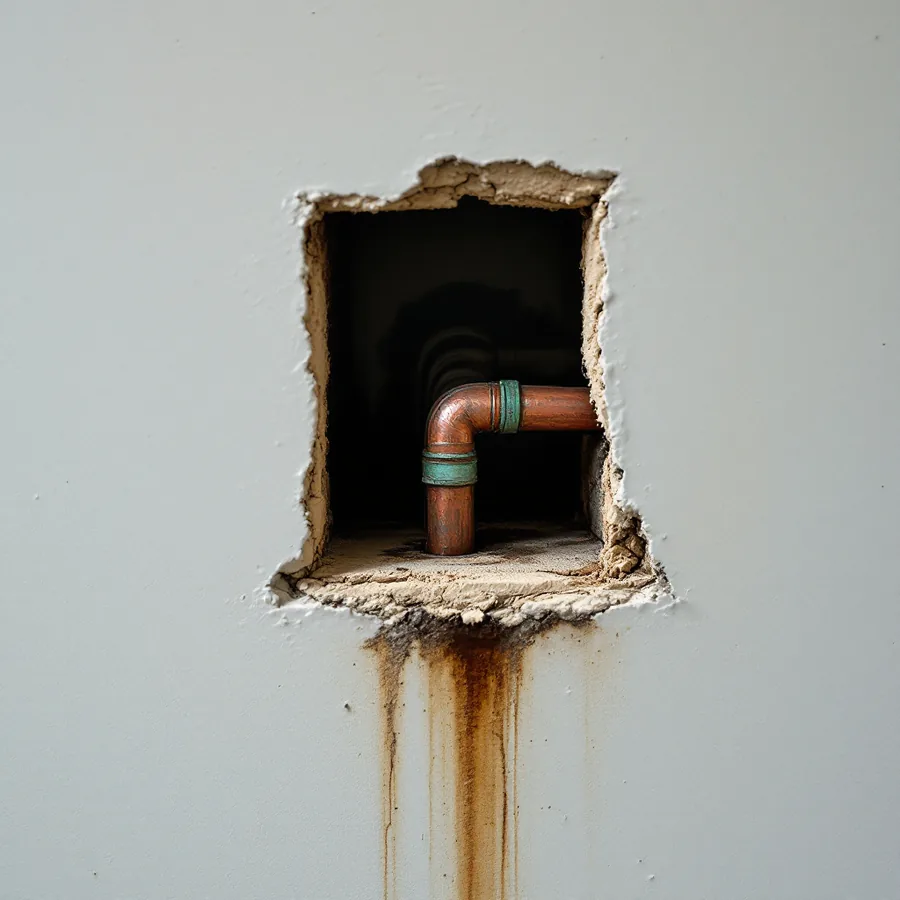
Pinhole, joint, burst, frozen, slab. Pressure or drain is the first question; where and what the pipe is made of decide whether this is a clamp for now or a repipe eventually.
What does any of this cost
We publish no averages, on principle. What we publish is what moves the number, so that two quotes can be read rather than compared. For a water heater that is five line items, the public wage of the trade, the 2029 rule and the federal credit that ended, with a tool that writes out the lines a quote for your house has to contain.
The Number
Three questions decide what you spend
Not the brand, not the city, and not the company's van. Three things, all of which you can ask about before signing anything.
Is it a part, a fixture, or a line?
Plumbing bills come in three sizes. A part, a flapper, a drain valve, a supply hose, is a service call plus something small. A fixture, a water heater, a disposal, a faucet, is the fixture plus the labor to swap it plus whatever the code now requires around it. A line, sewer, water main, repipe, is excavation or opened walls, and it is a different order of money. The first thing to establish about any plumbing problem is which of the three it is, because most of the expensive mistakes are a part being sold as a fixture, or a fixture being sold as a line.
| Size | Typical examples | What moves the number | Can it wait for a second quote? |
|---|---|---|---|
| A part | Toilet flapper, drain valve, supply hose, faucet cartridge, relief valve | The visit itself; whether it is after hours; whether a tank has to be drained to reach it | Yes, unless it is actively leaking onto a floor |
| A fixture | Water heater, garbage disposal, faucet, toilet, sump pump | The fixture, the labor to swap it, and what the code now requires beside it: expansion tank, pan, strapping, permit | Usually, and the second quote is where the missing code items appear |
| A line | Sewer replacement, water main, repipe, slab leak | Excavation or opened walls, length, depth, what is above the line, and whether a camera or a leak detector was used before digging | Only if nothing is backing up or flooding; a camera inspection first is worth the wait |
Is it urgent, or has it been made to feel urgent?
Some plumbing genuinely is: a tank leaking from the bottom, sewage backing up, a burst pipe. Those are shut-off-and-call situations and the price of the call is not the place to economise. Most plumbing is not: a slow drain, a dripping tap, a relief valve that weeps. Those can wait for a written quote, a second one, and a normal-hours rate. The trick is knowing which list you are on, and the pages on this site are written to tell you.
Did anyone find the cause, or just the symptom?
The commonest way to pay twice. A relief valve replaced when the problem was pressure. A drain snaked when the problem was a collapsed section of line. A tank sealed when the problem was the tank. Every one of those repairs is real, invoiced, and back within the month. The question that prevents it is always the same: what caused this, and does the fix address the cause?
What we will not publish
A price for anything. An average for a water heater or a sewer line pools a straightforward job with a nightmare and describes neither, and every page above us that publishes one is using it as a hook. We publish the drivers instead, so that a quote can be read.
The Standard
What a real diagnosis looks like
It names a place and a part, in that order, and it can usually be shown to you.
The federal sources we read instead of brochures
The Consumer Product Safety Commission on scald temperatures and what a water heater should be set to. EPA on how fast a wet floor has to be dried and on what household leaks actually waste. ENERGY STAR on which water heaters are certified and on planning a replacement before it is an emergency. None of them sells anything, all of them publish their reasoning, and every quotation on this site is taken from their pages and linked beside it.
The One Appliance
The water heater: the plumbing decision most households get wrong
It is the largest plumbing purchase in most houses, it fails on a schedule nobody watches, and the way it fails decides how much choice you have left.
How it dies
A steel tank with a glass lining, protected from the inside by a sacrificial rod that corrodes so the tank does not. When the rod is consumed the steel takes over, sediment on the bottom accelerates it, and the tank eventually weeps at a seam. That leak from the bottom is the end; it has no repair, and the decision at that point is which replacement, made standing in a puddle.
Why the timing matters more than the price
ENERGY STAR's advice is to plan the replacement before it is an emergency, and the reason is that the choice between a standard tank, a heat pump water heater and a tankless unit is a real one with real running-cost differences over a decade, and nobody makes it well with no hot water and a wet floor. A tank in its second decade is a tank whose replacement should be being priced now, calmly, not later, urgently, and what that price is made of is its own page.
The one number to know
The setting. CPSC urges a thermostat setting of 120 degrees Fahrenheit for household water heaters, both to prevent scalds and to save energy. Most adults suffer third-degree burns in two seconds at 150 degrees; the majority of scald injuries are to the elderly and children under five. A heater set high is a hazard at every tap and a candidate for opening its own relief valve, and the whole subject is on the leaking heater page.
The Lines That Grow A Quote
What the code now requires around a replacement
The commonest reason a water heater quote grows between the phone and the invoice is not the heater. It is what the inspector expects to see beside it.
An expansion tank
Heated water expands; on a house with a check valve or pressure regulator it has nowhere to go and the relief valve opens. Most jurisdictions now expect a small expansion tank on the cold line of a new heater. It is inexpensive, it is often missing from the first number, and its absence is the usual explanation for a relief valve that keeps discharging.
A pan and a drain line
A shallow pan under the heater with a drain to somewhere real. Where the heater stands over a finished floor, the pan is what turns a slow tank leak into a puddle in a pan rather than a ceiling downstairs. A pan whose line goes nowhere is a pan that was never finished.
Strapping, the permit and the inspection
Seismic strapping in some states, a permit and an inspection in most. An offer to skip the permit is not a discount; it removes the only independent check on the work and it surfaces when the house is sold. The right question is whether all of this is in the number, and the wrong answer is that it is extra if the inspector asks.
Read This Before Trusting Us
How we make money, and why it changes what we write
We are paid a fixed fee when a homeowner is connected with an independent licensed and insured plumbing company through this site. The fee is the same whether the visit ends in a two-dollar flapper or a new water heater. We do not repair, install or sell anything, we do not employ plumbers, and we do not choose which company answers beyond requiring that it be licensed and insured.
That structure is the reason this site can say, in writing, that a tank leaking from the bottom is a replacement, that a drain cleared with chemicals comes back, and that a relief valve replaced without checking pressure is money spent twice. A company paid by the size of the job cannot afford those sentences. How we make money and how we research are both written down, and the contact page explains what we can and cannot help with.
The fee is fixed
It does not rise with the invoice. A company paid a percentage has a reason to prefer the larger job; a fee that is the same for a washer and a water heater removes that reason from every sentence on this site.
Who answers the call
An independent licensed and insured plumbing company covering your area. We do not employ them, we do not set their prices, and we do not choose between them beyond those two requirements. What they quote is between you and them, in writing, and the pages here are meant to make that quote readable.
What we will not do
Publish a price. Promise a time of arrival for a company we do not run. Sell parts. Give medical advice about scalds or mould beyond quoting the federal agencies that do. The list is on the terms page and the privacy page says what happens to what you tell us, which is very little.
Common Questions
Common questions
Are you a plumbing company?
No. We are a referral and research service. We connect homeowners with independent licensed and insured plumbing companies in their area, and we are paid a fixed fee for the introduction. We do not perform, supervise or guarantee any work.
Why do you not publish prices?
Because an average without a scope describes nothing. A water heater replacement in an open basement and one in an attic closet with a new expansion tank, pan, strapping and permit are the same words and a different bill. We publish what moves the number instead, so that a quote can be read rather than compared to a figure that was never about your house.
What should I do first when a water heater is leaking?
Shut the cold supply valve on top of the heater, then the gas control or the breaker, then dry the tank and watch where the first drop reappears. That location is the diagnosis: top is a fitting, side is a valve, the overflow pipe is the relief valve discharging, and the bottom is either the drain valve or a rusted tank. The full sequence is on the leaking heater page.
Is a leaking water heater an emergency?
A tank leaking from the bottom is: it grows, and EPA's guidance is that wet materials need to be dried within 24 to 48 hours to avoid mould. A fitting or a valve weeping is not, provided it is contained. The water is also hot: CPSC reports third-degree burns in seconds at temperatures a tank set high can reach.
Where does the number come from when you say we do none of the work?
From the fee structure. We are paid the same for a small job and a large one, so no page on this site benefits from steering you toward the larger number. Where we describe a problem as a small repair, that description costs us nothing to make and is therefore worth something to you.
Where This Comes From
Sources
- Household leak volumes, EPA WaterSense, statistics and facts.
- Scald temperatures and the 120-degree setting, U.S. Consumer Product Safety Commission, Avoiding Tap Water Scalds.
- Drying within 24 to 48 hours, EPA, A Brief Guide to Mold, Moisture and Your Home.
- Planning a water heater replacement before it is an emergency, ENERGY STAR, heat pump water heaters.
- Certified water heaters, ENERGY STAR, water heaters.
- Water efficiency, EPA WaterSense.
Our editorial standards explain how we source and check what we publish. Nothing here is a price, a promise about a third party, or medical advice. We are a referral service rather than a plumber. Last updated .
Before you call anyone
The flat-fee match — we are paid for the introduction, not for the size of your job
Most plumbing advice is written by the company that wants to do the work. That is not a failing of the people who read it; it is a defect in who is talking: the diagnosis, the estimate and the invoice come from one party, and no amount of care on your side fixes that.
We are built the other way round. We do not repair, install or sell anything, so the payment reaches us when you are connected to a licensed, insured plumbing company — the same amount whether you need a two-dollar flapper or a new water heater. Nobody here has a reason to talk you into the larger number. You can check that rather than take it on trust: how we make money is written down, and this site keeps telling readers when not to buy. Why does not everyone work this way? Because a flat fee leaves money on the table every time the job turns out to be big.
Waiting is the one thing that actually costs money. A water heater that is leaking from the tank does not get better and does not wait for a convenient week; the water it lets go finds the floor, the drywall and whatever is stored below. A drain that backs up once backs up again, and the second time it is sewage. And if it turns out to be a flapper or a reset button, say so on the call. We will tell you, and that call earns us nothing.
Not for you if: you want a price over the phone — nobody honest gives one without seeing the pipe; you need a guarantee of arrival within the hour — we cannot promise that for a company we do not run; the building is commercial; or you would rather do it yourself, in which case the pages on this site are written so that you can.